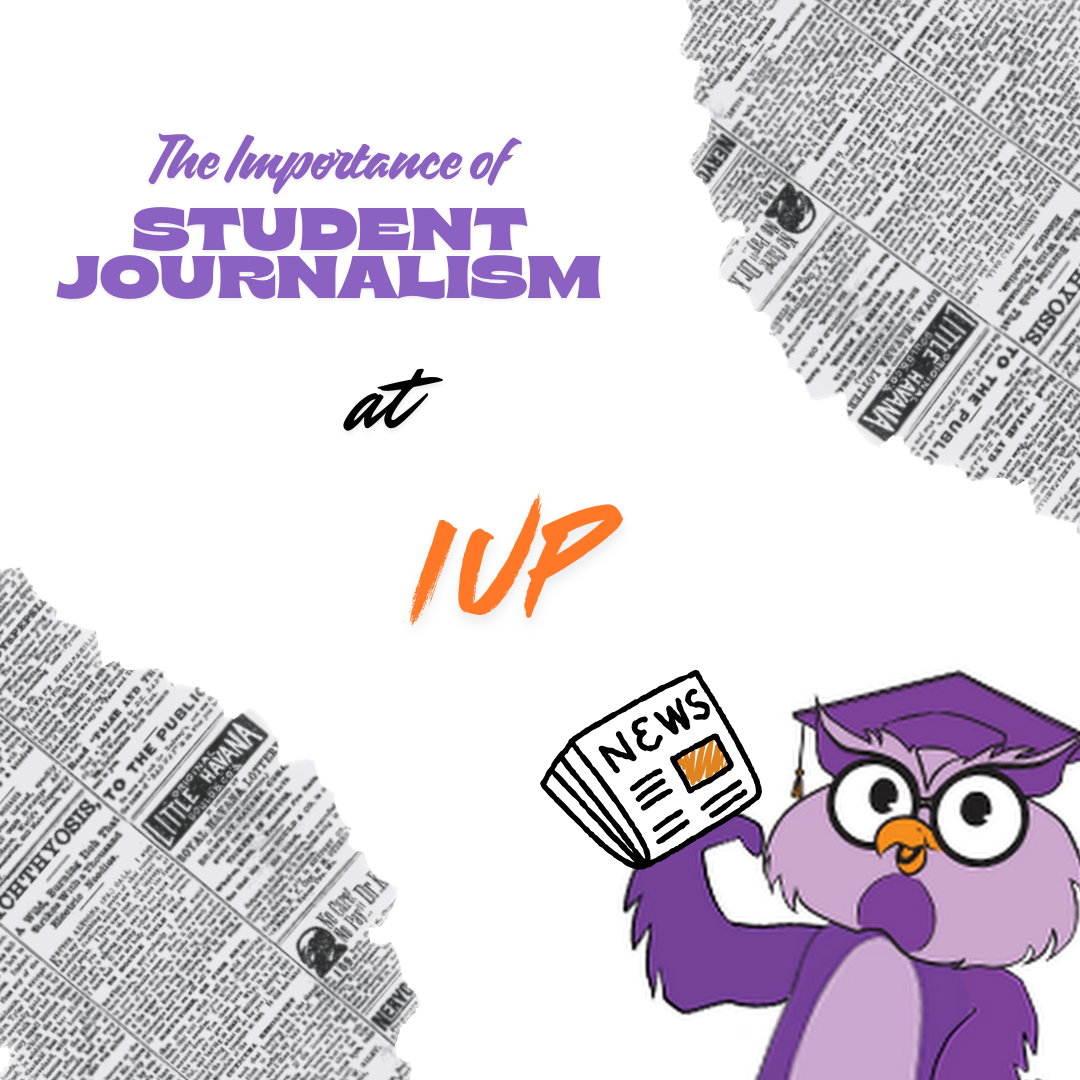
As iUniversity Prep took its very first steps in the virtual realm of learning, student voices scattered across cyberspace. A small spark of imagination and creativity inspired a solution: iHoot, the student journalism club of iUP. With its stellar website, skyrocketing views, and hardworking editorial team, one may wonder why staying informed is important in the first place. Why is iHoot such a big deal? Why is student journalism important anyway, especially at a virtual school? In a setting like this, how can we face the challenges of communication and connection?
To answer these crucial questions, two of iHoot’s former top editors, Erin O’Connell and Marcus Bamber, shared their insights on the matter. For them, iHoot is more than a newspaper; it’s a platform that connects students and encourages personal growth. Whether it’s covering current events or building necessary writing skills, the publication has an important role in student life at iUP. To expand the club’s impact, the team introduced the Owl Post, a student newsletter they launched in the 2024–25 school year to bridge communication gaps within the school. But before exploring its impact, it’s important to understand how iHoot and the Owl Post first took flight. As Erin explains, “We developed this as a way to keep families updated about major upcoming events, and [the school] wanted it to be fairly systematic.”
Initially, iHoot began as a club that aimed to inform students and staff about various aspects of life at iUniversity Prep. Marcus explains that their goal has always been to serve as the “vessel for student journalism” and to “allow for students to grow their skills in writing.” Staying informed about current events is essential not only for participating in school activities but also for expanding general knowledge. As Erin points out, student journalism at iUP is important because it “builds skills such as how to professionally interact with others for interviews, how to avoid opinionated writing, and how to find reliable sources.”
However, current student journalism still has room for improvement. Both Marcus and Erin agree that participation is one of the biggest challenges to address. Erin explains, “typically, a lot of improving journalism involves including more facts and removing bias. However, iHoot already has a lot of checks and balances for this, and since we’re a school newspaper, we’re resistant to these issues to an extent. So, in iHoot’s case specifically, I think that we could facilitate an improvement to student journalism by increasing membership. This helps more students learn these essential skills, and it also helps to keep more people informed overall. Journalism is about information, and anything that increases the accessibility of that information is an improvement.” She emphasizes that accessibility is as important as the quality of the journalism being shared with students. Similarly, Marcus thinks that student journalism at our school could be improved “by greater participation in all of iHoot’s doings overall. Every aspect of our club is tied to journalism so any way of greater involvement in iHoot would only help with this.”
To address outreach issues at a school like ours, iHoot and the school put their heads together to develop a newsletter with the goal of helping “parents who weren’t necessarily getting this information in Homeroom every week.” Erin believes it “definitely gave the student body a one-stop place to look for anything super important that was coming up.” She also credits the Owl Post with “incredibly help[ing] with viewership, information, and thus participation in the covered iUPrep events.” Beyond sharing information, Marcus adds that it “helped with staff, student, and club collaboration, facilitating greater interconnectedness at the school.” Now an essential tool for keeping students informed, the newsletter also works to bridge the participation gap between journalism and students. Marcus agrees, stating that he believes “the role of the Owl Post will be directly tied to the improvement of student journalism at the school with it being a very straightforward and condensed way to get information.”
Overall, iHoot and the Owl Post have embarked on a challenging journey to overcome setbacks in communication, outreach, and participation. The club continues to improve through various outreach methods, including the Owl Post. As Marcus sums it up, “With a clear focus on current and upcoming iUP events, the Owl Post filled the niche of a true newsletter that formed the backbone of the greater newspaper.”