
One Planet
The world has 7 continents,
195 countries,
and approximately eight billion inhabitants.
We as humans live all around the world with different identities, different beliefs, and different ethnic makeup. Through all differences, and different locations, humans have proven to be one, and to dominate wherever we take up. From the drums of Africa, to the lights of Tokyo, and to the flags waved internationally, culture is the story of humanity written in a thousand voices and tonight, you will hear many.
The Beauty of Languages
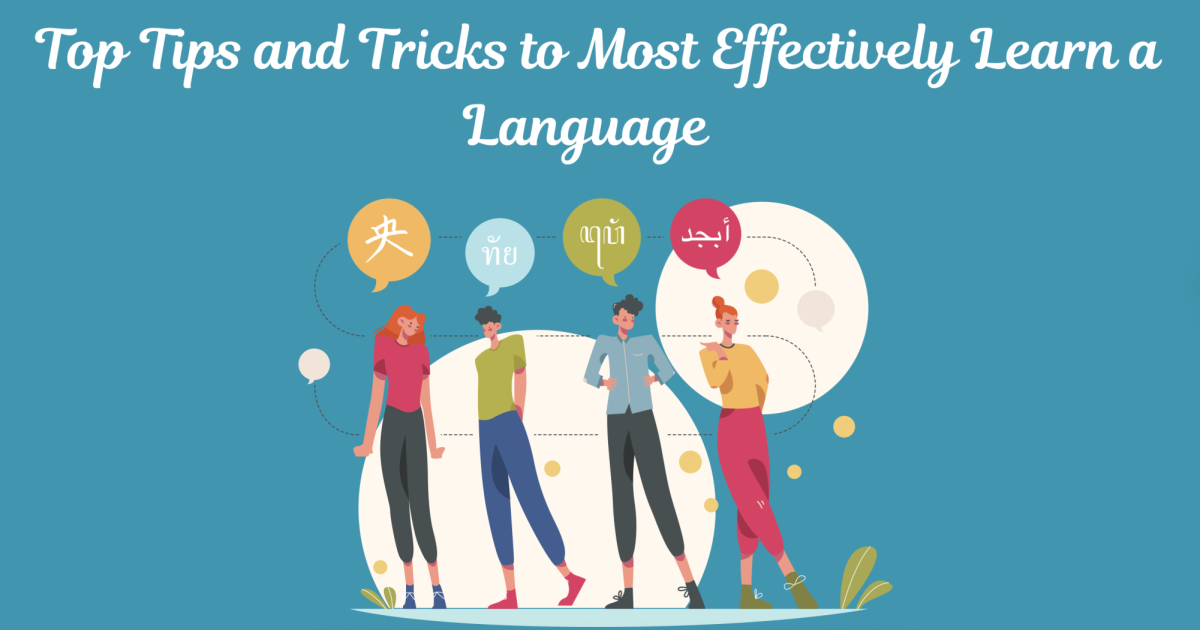
In iUniversity Prep, through different screens and different cities, many students interact with students at a local to a national scale, or even a global scale. On their laptops, they communicate in English, but at home, it’s a different story. Some students like ninth grader Priso Ndumbe, and fifth grader Garmina Hoehne, speak French, their native tongue. Others like twelfth grader Anel Annjanette García, speak Spanish. With hundreds of languages, iUP students showcase their multilingual abilities while also acculturating to American styles in school. One tenth grader student in particular, Dax Kane, speaks Hawaiian, one of the thousands of endangered languages today. “The Hawaiian side of my culture is what has really stuck with me as it’s what was really kept alive through the generations whereas I honestly don’t know very much about my other cultural backgrounds. Along with English, I speak Hawaiian, an endangered language spoken by a few thousand people.” Like Dax Kane, many countries are losing their native tongue as a result of globalization, imperialism and migration. Though the population of Hawaii speakers are small, the language, culture and joy brought on an international level is forever pivotal.
Tradition
What makes a tradition?
Tradition is the rhythm that flows from generation to generation, from the warm crisp air of a cultural pie, the footsteps that dance the story of many, and the music that shakes the rhythm sending a message of power and humility. Tradition is powerful, and many students carry traditions from generation to generation. While cultures vary depending on locations, the heart of each tie to central themes,
Love, family, and respect.
Tenth Grader, Joy Omuederiaye
“’Spraying’ Money (Nigerian). In public places, like a party or a wedding, if you dance good, or are the ones getting married, the people will ‘spray’ money onto you, throwing it at you.” – A commonly practiced tradition in West African Cultures.
Sixth grader, Mahrosh Fatima
A holiday that is very important to me is Eid, which is a major celebration in my culture. My favorite memory tied to Eid is receiving extra Eidi (money) compared to others because I live far away from most of my relatives. It always made me feel special and more connected to my family, even from a distance. -Eid is celebrated by many Muslims all around the world, marking the end of Ramadan, a long fasting period.
Fifth Grader, Garmina Hoehne
“My favorite tradition is going to Canada day festival!”
-Tradition can be simple. Enjoying and celebrating the achievements along the way.
Ninth grader, Priso Boni Ndumbe
“Every thanksgiving, we have a special anointing and “calling” from a selected elder of the family. The member goes down and lays “holy water” onto each family member, and states their full name, their earthly calling, and manifests a future for them. This is important in the family b/c it refreshes a sense of empowerment and motivation. Knowing your roots is where the true power comes from.”
– Tradition is a reminder.
A message that states “this is who I am, and I am proud.”
Culture
What are your values?
Respect, kindness, loyalty? Did you choose those values, or were they obtained from the people around you? Among the myriad of cultures the world has, there is a common denominator for many cultures around the world. Now, I don’t want to spoil that for you, I want you to read and hear the message from many students.
Dax Kane says, “As Hawaiians we believe that all humans, plants, etc. are related as a family, and this view also extends to the gods, and even the islands and the land. We view the land, or ʻāina, as our big sibling that feeds us and in return we show respect and care for the land. The family is the central part of Hawaiian culture and to this day you will see that Hawaiian families stick together.” Similarly, Mahrosh Fatima states, “…In Pakistani culture, family is the foundation of everything—we are taught to care for and support one another. Respect for elders and for others in general is also a big part of daily life. These values influence how I treat people every day—with kindness, politeness, and a sense of responsibility. I try to stay connected with my family, help others when I can, and always show respect in my interactions.” These messages carry one central theme. Hopefully, you caught the central point of family. Our families are the people we prioritize in our lives. Respecting them for the love and lessons they pass, and enjoying their embrace. Respecting the Elders and authorities for their wisdom and knowledge. Whether it is Southeast Asia, or Northern Europe, or Africa, a sense of community is crucial to any culture from wherever you are.
One World, Different Meals
America, as many might say, is a mixed pot. But these pots contain many meals that share the story and flavors for many cultures. Foods like Okra in Nigeria to Naan in India and Baguettes in France, have all been a significant part of many plates we touch today.
In India, many people eat Biriyani, and in the Philippines, many eat Pansit. If you are like fifth grader Isabella Priya Soriano, with mixed identity, you immerse both cultures at the same time. Like wise, even without knowing, you may enjoy meals that are similar in other regions. Garmina Hoehne, another student who is Canadian, enjoys the same meals as an average American highlighting the similarities and diffusion among many cultures though maintaining its cultural roots.
Even with different plates, the food is shared at the same table.
Below the Surface
In a society full of stereotypes and racism, humans have begun to lose the concept of unity. They perceive different cultures from an ethnocentric perspective without fully understanding the experience of many minority groups. As mentioned earlier, the Hawaiian language is endangered, but so is the perception of their culture. Dax Kane informs many on Hawaii’s nation, and emphasizes their individual identity. “Hawaiʻi used to be a sovereign, recognized country before the US occupied our land in 1893. Many Hawaiians still are fighting against what they view as an occupation and there is a desire for some renewed recognition of the Hawaiian nation. While Hawaiʻi is part of the United States, we are still in many ways our own nation” This powerful message highlights the individual identity of Hawaiians teaching many their fight to independence even to this day. Likewise, Anel Annjanette García voices the complex identity of Native Americans. “Native Americans were very persecuted in the United States, but what most people don’t know is that there’s a lot of Indigenous culture in Mexico as well. In fact, much of folklórico, or folk culture, is based on Indigenous traditions. Most Mexican people are Indigenous, so we don’t appreciate when other Indigenous people are persecuted — because in many ways, we are the same.” This message reminds many of unity and the costs of hatred. Native Americans experience persecution, but this persecution is persecuting the culture that shapes American societies. Like García says, Indigenous culture shapes Mexican culture, a culture globally prominent today. When the Indigenous people are persecuted, we lose all together — not only by unfairness, but by silencing cultures that have shaped who we are today. Enjoying Indigenous heritage in Mexico but ignoring Native people here in the U.S. is hypocritical. True appreciation means recognizing that racism anywhere has a price for us all. One World, Different messages.
“When the elevator finally takes you where you want, be sure to send it down from someone else.” This quote represents being down-to-earth, being humble, and helping other people from the level you were once at.” – Shared from Priso Boni Ndumbe
“ma ka hana ka ʻike” – it is only by doing that one can learn. “i ka wā ma mua, i ka wā ma hope” – literally “in the time before, in the time after”, as Hawaiians we look to the past to guide us in the future.” – Shared from Dax Kane
“‘If you want to go quickly, go alone. If you want to go far, go together.’ A quote that many people know, but originated from Nigeria.”- Shared from Joy Omuederiaye
“Al que a buen árbol se arrima, buena sombra le cobija” (“He who leans against a good tree is sheltered by good shade.”) – Shared from Anel Annjanette García
Who We Are
Here at iUP, we acknowledge the different cultural identities and cultural constructs all over the world. From immigrants, to second generation students like eleventh grader, Hailie Ratkic with Bosnia blood, to mixed students like Isabella Priya Soriano, iUP is a small pot mixed with many ingredients. On a global scale, iUP is just a minute percentage of the ethnic groups formed all around the world. When we as a community unite as one- we become a culture stronger than ever.
The world is not one melody, but a symphony– and every culture is a note we cannot afford to lose.
Sources & Acknowledgments
Article is based on interviews with Mahrosh Fatima, Isabella Priya Soriano, Garmina Hoehne, Anel Annjanette García, Joy Omuederiaye, Hailie Ratkic, Dax Makoa Kāne and Priso Boni Ndumbe. Photography by Garmina Hoehne and Joy Omuederiaye.